What Is a Crypto Wallet Number?
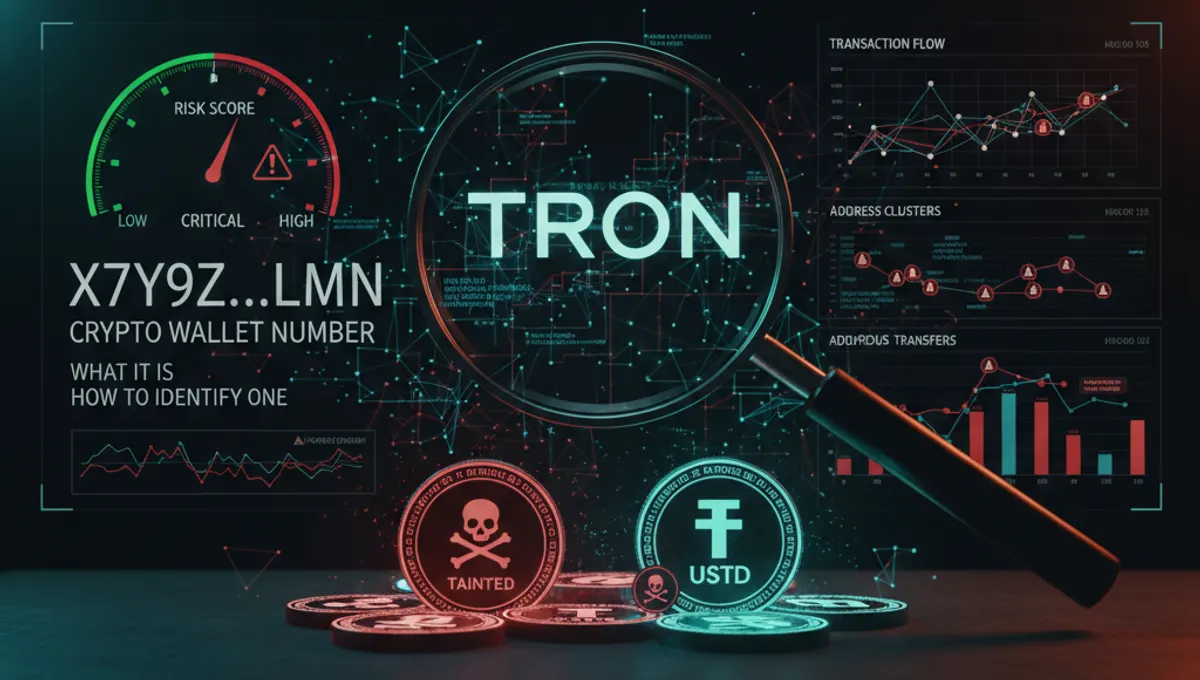
A crypto wallet number, also called a wallet address, is a string of characters that serves as a unique identifier on a blockchain network. Bitcoin addresses typically start with 1, 3, or bc1 and are 26–35 characters long. Ethereum addresses begin with 0x and contain 40 hexadecimal characters. TRON addresses start with T and are 34 characters long. Each blockchain network uses its own format. A wallet number is derived from the wallet's public key through cryptographic hashing, making it both unique and publicly verifiable. Unlike a traditional bank account number, a wallet number is pseudonymous—it doesn't directly reveal the owner's identity, but all transactions linked to it are permanently recorded on the blockchain and can be analyzed for compliance purposes.
Crypto Wallet Number Formats Across Blockchains
Different blockchains use different wallet number formats. Bitcoin addresses vary by type: Legacy addresses (P2PKH) start with 1, Pay-to-Script-Hash addresses (P2SH) start with 3, and Segwit addresses (P2WPKH) start with bc1. Ethereum and ERC-20 token addresses begin with 0x followed by 40 hex characters. TRON (TRC20) addresses always begin with T and contain 34 alphanumeric characters. Litecoin addresses typically start with L or M. Each format is incompatible with others—sending Bitcoin to an Ethereum address will result in permanent loss. When receiving cryptocurrency, always verify the wallet number format matches the asset type. This is your first line of defense against accidental transfers and a critical step before accepting payments in USDT, TRX, or other tokens.
Why Wallet Number Screening Matters for AML Compliance
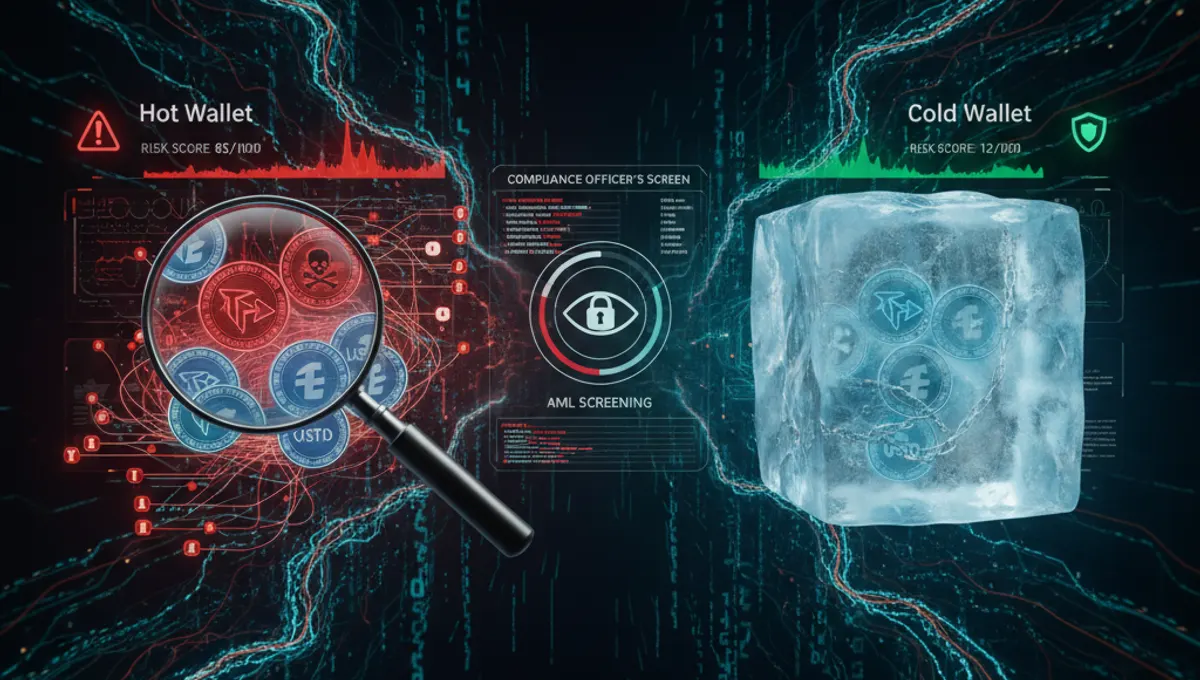
Wallet number screening is a core component of anti-money laundering (AML) compliance. By analyzing a wallet's transaction history, you can identify whether it has received or sent funds from high-risk sources such as mixers, darknet markets, scams, stolen funds, sanctioned entities, or gambling platforms. Each wallet number leaves a permanent trail on the blockchain, allowing compliance teams to assign risk scores and flag suspicious activity. Exchanges and payment processors use wallet screening to prevent frozen USDT, account bans, and regulatory violations. If you receive cryptocurrency from a flagged wallet, your own account may be frozen or your deposits rejected. Understanding a wallet number's risk profile before accepting payment protects your business from compliance violations and financial loss. Services on our AML Services page provide wallet screening tools that analyze transaction history and assign risk scores based on blockchain analytics.
How to Check a Crypto Wallet Number for Risk
To check a crypto wallet number for AML risk, follow these steps: First, copy the wallet address you want to verify. Second, visit a trusted wallet screening service—our curated AML Services list includes verified tools that analyze blockchain transactions. Third, paste the wallet number into the screening tool. Fourth, review the risk score and transaction history. The tool will flag exposure to mixers, darknet markets, sanctions lists, and other high-risk categories. Fifth, examine the transaction timeline and counterparty wallets to understand the source of funds. Sixth, decide whether the risk level is acceptable for your use case. Most services assign risk scores on a scale (e.g., 0–100 or low/medium/high). A wallet with no flagged transactions typically has a low risk score. A wallet linked to a mixer or sanctioned entity will have a high risk score and should be rejected. Always screen wallet numbers before accepting USDT, TRX, or other tokens to avoid frozen deposits.
Understanding Crypto Wallet Risk Scores and Flags
A crypto wallet risk score is a numerical or categorical rating that reflects the likelihood a wallet has been involved in illicit activity. Risk scores are calculated by analyzing transaction history, counterparty wallets, and exposure to known high-risk sources. Common risk flags include: mixer exposure (funds passed through privacy-mixing services), darknet market links (transactions with known darknet addresses), scam association (funds from reported fraud or theft), sanctioned entity involvement (transactions with OFAC-listed addresses), and gambling platform exposure. Low-risk wallets typically have no flags and a score below 20 on a 0–100 scale. Medium-risk wallets may have minor flags but no direct darknet or sanctions exposure. High-risk wallets have multiple flags or direct links to illegal activity. Acceptable risk thresholds depend on your compliance requirements—financial institutions typically reject scores above 50, while some merchants accept scores up to 30. Always check your local regulations and exchange policies before setting thresholds.
What to Do If You Receive Funds from a Flagged Wallet Number
If you receive cryptocurrency from a flagged wallet number, take immediate action to protect your account. First, do not spend or transfer the funds—this may trigger additional compliance scrutiny. Second, document the transaction details: the wallet number, amount, timestamp, and reason for the transfer. Third, screen the wallet using a trusted AML service to confirm the risk level. Fourth, contact your exchange or payment processor and report the incoming transaction. Fifth, provide documentation showing you screened the wallet and did not knowingly accept tainted funds. Sixth, follow your exchange's instructions—some exchanges will freeze the funds pending investigation, while others may allow you to keep them if you can prove you acted in good faith. Seventh, consider rejecting future payments from high-risk wallets by adding them to a blocklist. If your account is frozen due to receiving flagged funds, contact your exchange's compliance team with evidence that you performed due diligence. Proactive wallet screening before accepting payment prevents this situation entirely.
Comparing Wallet Screening Services and AML Check Fees
Wallet screening services vary in features, accuracy, and cost. Some offer free basic checks with limited data, while others charge per query or subscription fees. Free services typically provide a simple risk flag (clean or dirty) but limited transaction history. Paid services offer detailed blockchain analytics, transaction graphs, counterparty analysis, and custom risk thresholds. Enterprise solutions provide API access, batch processing, and compliance reporting. When comparing services, consider: coverage (which blockchains are supported), data freshness (how often is blockchain data updated), accuracy (false positive rates), user interface (ease of use), and support (response time for compliance questions). Our AML Services page lists verified wallet screening providers that meet industry standards for accuracy and compliance. Fees typically range from free for basic checks to monthly subscriptions for high-volume users. Choose a service that matches your transaction volume and compliance requirements—a business accepting frequent USDT payments should use a paid service with real-time monitoring, while occasional users may start with free tools.
Frequently asked questions
What does a crypto wallet number look like?
A crypto wallet number's format depends on the blockchain. Bitcoin addresses are 26–35 characters starting with 1, 3, or bc1. Ethereum addresses start with 0x and contain 40 hex characters. TRON addresses always start with T and are 34 characters long. Each format is unique to its blockchain and cannot be used interchangeably.
Can I find out who owns a crypto wallet number?
Wallet numbers are pseudonymous—they don't directly reveal the owner's identity. However, blockchain analytics can link wallet numbers to exchanges, services, or known entities. If a wallet is connected to a regulated exchange, law enforcement or compliance teams can request identity information. Public blockchain transactions are traceable but not inherently linked to personal names.
How do I know if a wallet number is safe to receive from?
Screen the wallet number using a trusted AML service before accepting payment. The service will analyze its transaction history and assign a risk score. Look for flags related to mixers, darknet markets, scams, or sanctions. If the score is low and no high-risk flags appear, the wallet is generally safe. Always verify the wallet format matches the asset type.
What happens if I receive USDT from a flagged wallet number?
Your exchange may freeze the funds or your account pending investigation. Document that you screened the wallet and did not knowingly accept tainted funds. Contact your exchange's compliance team with evidence of due diligence. Proactive wallet screening before accepting payment prevents frozen deposits and account bans.
Are there free tools to check a crypto wallet number?
Yes, some services offer free basic wallet screening with limited data. Free tools typically provide a simple risk flag but not detailed transaction history. For comprehensive analysis, paid services offer better accuracy and more detailed blockchain analytics. Our AML Services page lists both free and paid verified screening tools.