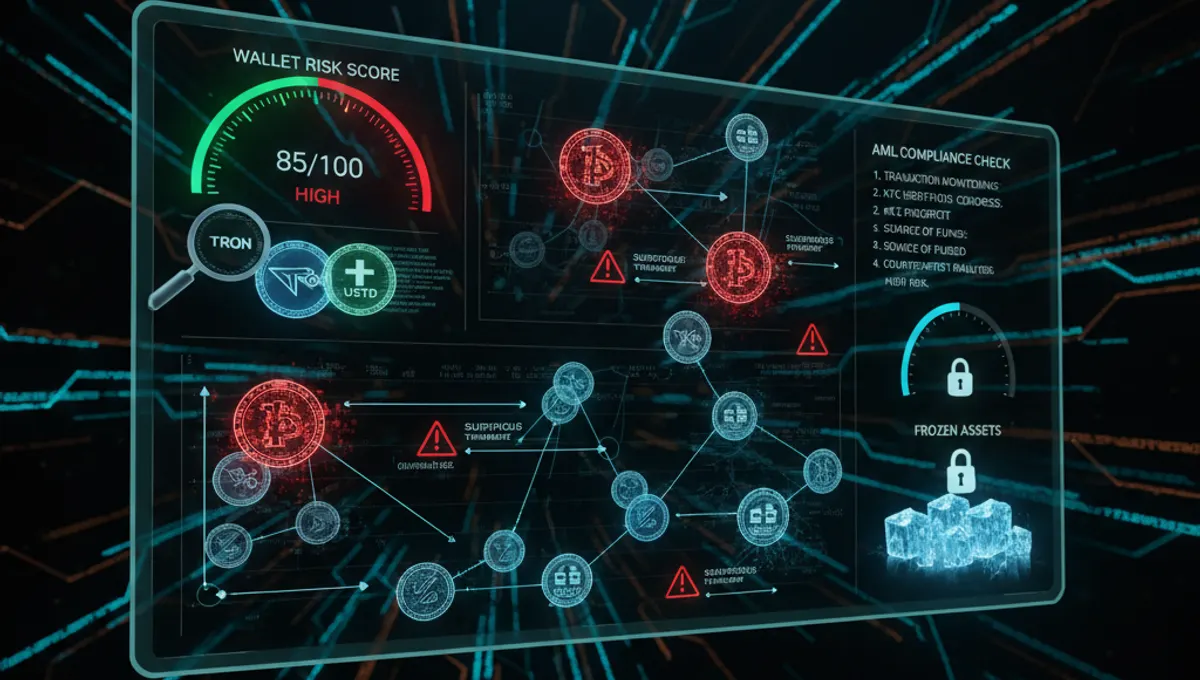
What Is a Crypto Wallet Risk Score?
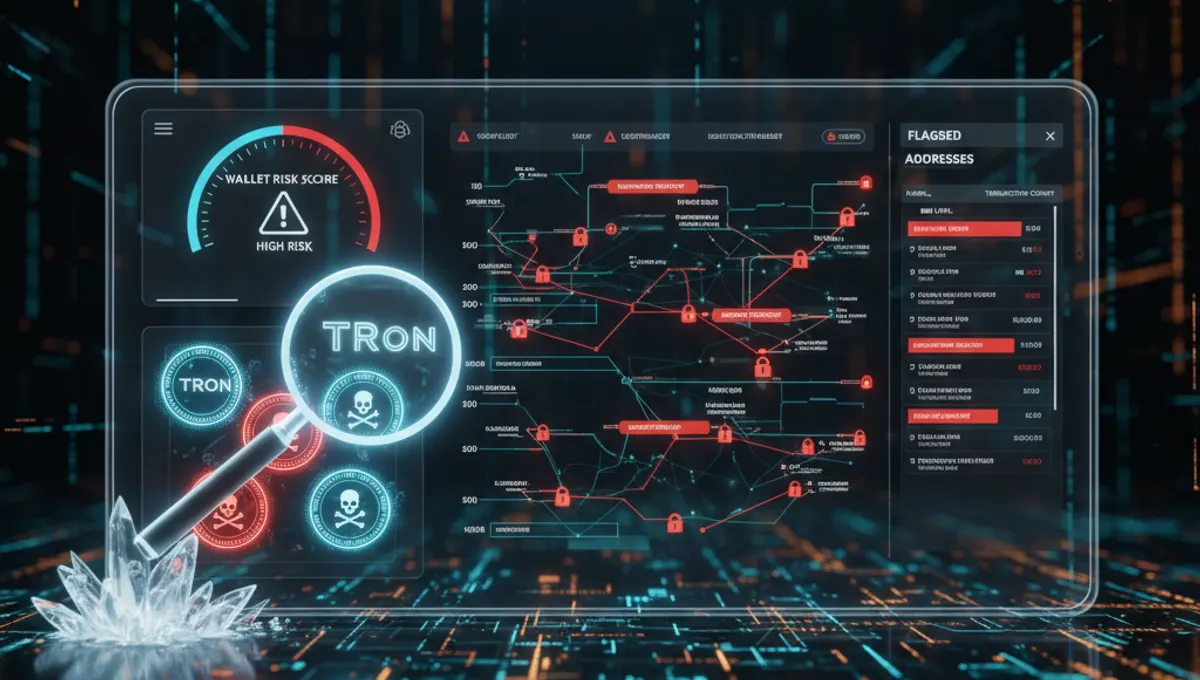
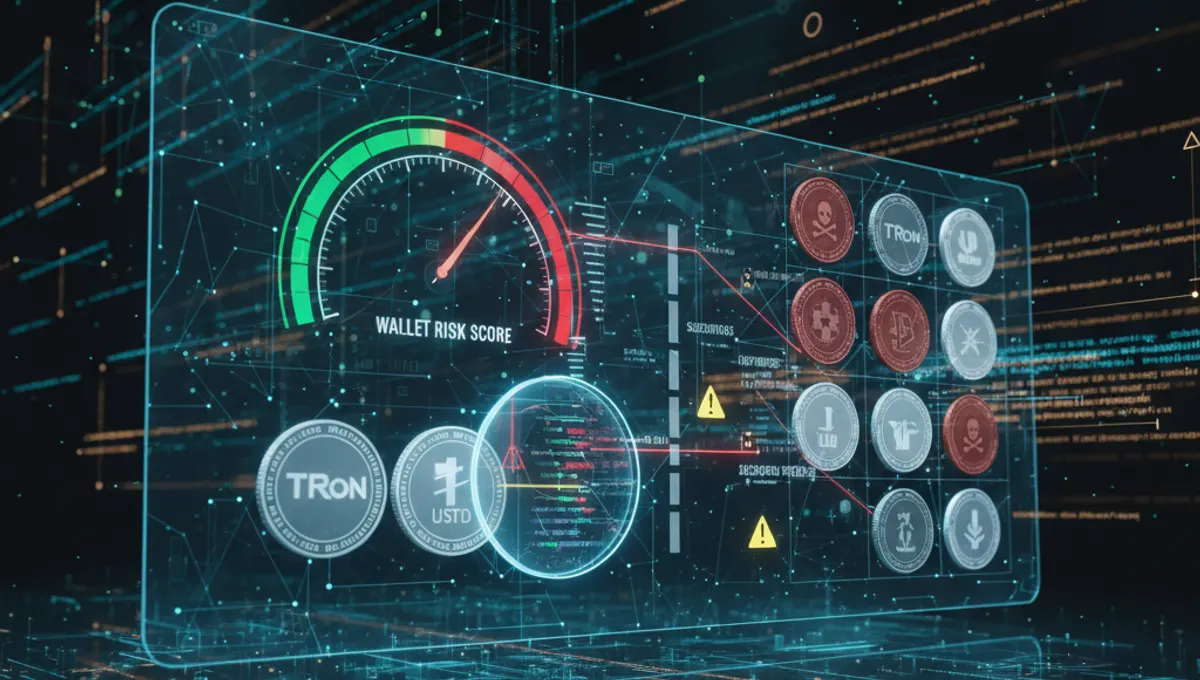
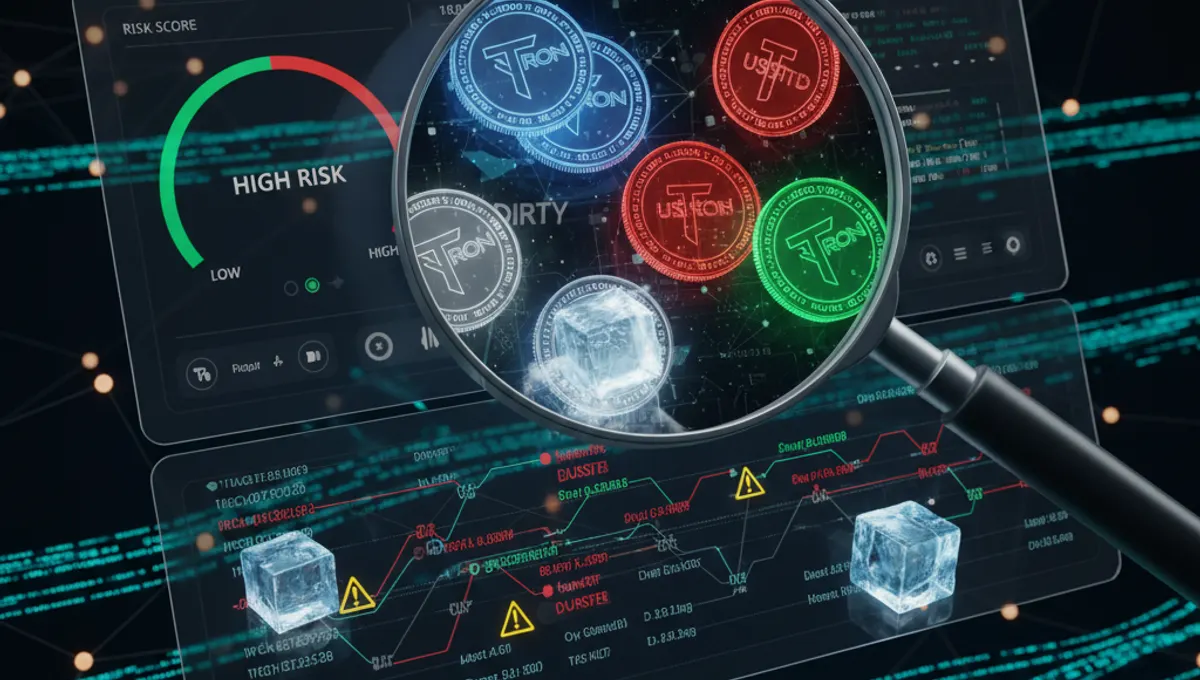
A crypto wallet risk score is generated by blockchain analytics platforms that monitor transaction history, address clustering, and behavioral patterns on public ledgers. The score reflects the likelihood that an address or its funds have been involved in high-risk activity. Most platforms use a scale from low (clean) to high (dirty), or assign numerical ratings. Risk scores are based on factors like whether an address has received funds from known mixers, darknet markets, scams, stolen funds, or sanctioned entities. Exchanges and compliance teams use these scores to flag addresses before accepting deposits. A high risk score does not necessarily mean you committed a crime—it means your address has received or sent funds that touched a risky source at some point in the transaction chain.
How Does AML Scoring Assign Risk Levels?
AML (Anti-Money Laundering) scoring combines several data sources: blockchain transaction history, known darknet marketplace addresses, sanctions lists, mixer and tumbler detection, and clustering algorithms that link related wallets. Analysts review incoming and outgoing transactions to trace the origin of funds. If your wallet received USDT or TRX from an address flagged as a mixer or darknet market, your score rises. Stolen funds, ransomware proceeds, and gambling site payouts also increase risk. Conversely, receiving funds from regulated exchanges or known legitimate sources lowers risk. The scoring is not binary—it exists on a spectrum. A wallet that received one small transaction from a mixer may score lower than one that received multiple large transfers from sanctioned entities. Most platforms update scores regularly as new transaction data emerges.
What Do Different Risk Score Levels Mean?
Risk score levels typically fall into these categories:
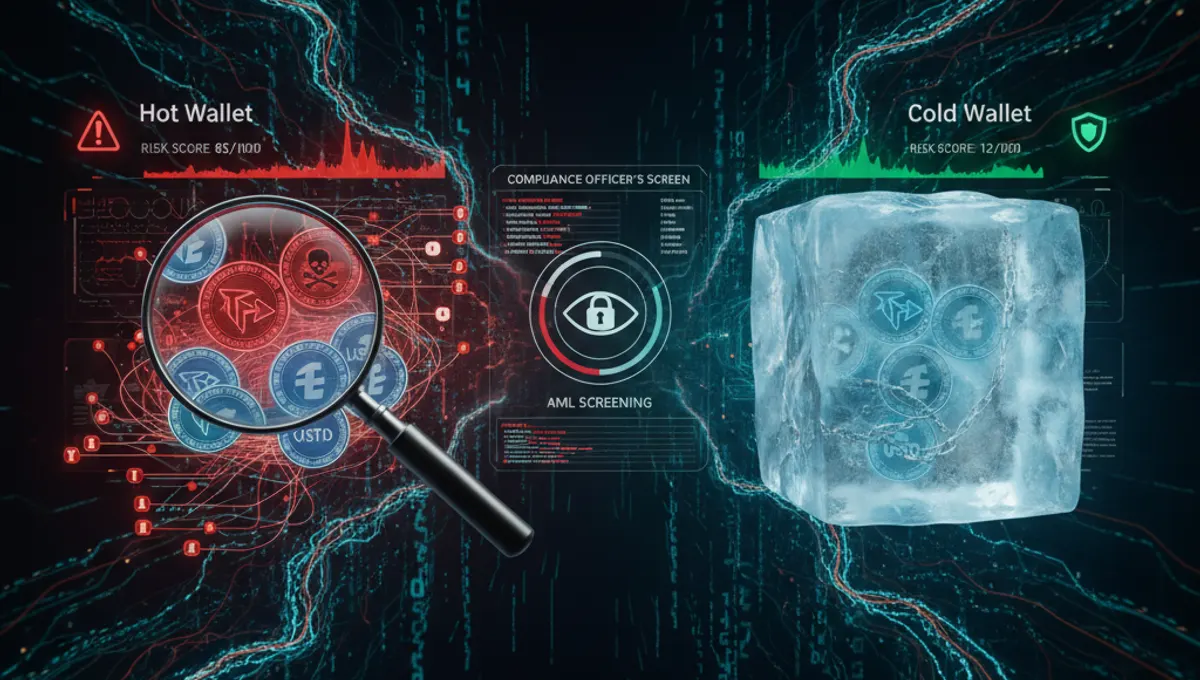
Low Risk (Clean): Address has no known links to illicit activity, sanctions, or high-risk sources. Funds appear to originate from legitimate exchanges or known clean wallets. Exchanges accept deposits without delay.
Medium Risk (Caution): Address has received small amounts from mixers, unverified sources, or addresses with minor flags. Exchanges may accept deposits but may monitor the account more closely or request additional verification.
High Risk (Dirty): Address has received significant funds from darknet markets, known scams, ransomware, or sanctioned entities. Exchanges typically freeze deposits, block withdrawals, or reject the address entirely. Frozen USDT and account bans are common outcomes.
Critical Risk: Address is directly linked to sanctions lists, terrorist financing, or major theft. Deposits are blocked immediately and may be reported to authorities. Thresholds vary by exchange and jurisdiction, so a medium-risk score at one platform may be acceptable at another.
How to Check Your Crypto Wallet's Risk Score
To check your wallet's risk score before receiving or sending funds:
- Copy your wallet address (TRX, USDT, BTC, ETH, etc.).
- Visit a trusted AML screening service—Tronrscan.org maintains a curated list of verified AML services that perform real-time risk scoring.
- Paste your address into the screening tool.
- Review the risk score, transaction history, and any specific flags (mixer exposure, darknet links, sanctions).
- Check the detailed report for the source of flagged transactions.
- If your score is high, trace which incoming transaction caused the flag and consider whether to accept or reject those funds.
Most legitimate AML services provide a risk score within seconds. Some offer free basic checks with limited history; others charge a fee for detailed reports. Before using any screening service, verify it on the AML Services page to ensure you're using a reputable platform and not a phishing site.
What Causes a High Risk Score?
Several factors trigger high risk scores:
Mixer and Tumbler Exposure: Receiving funds that passed through a privacy mixer or coin tumbler is flagged because these tools are often used to obscure transaction origins.
Darknet Market Links: Funds traced back to known darknet marketplaces (even indirectly) raise red flags.
Stolen Funds: Addresses linked to theft, hacks, or ransomware payments score high.
Sanctions and Blocked Entities: Wallets connected to sanctioned individuals, organizations, or countries face critical risk ratings.
Gambling and Scam Sites: Funds from unregulated gambling platforms or known scam addresses increase risk.
Unverified Sources: Transactions from unknown or newly created addresses with no transaction history may be flagged as suspicious.
Rapid Movement: Funds that move quickly through multiple addresses (chain-hopping) can indicate an attempt to obscure origin. Even one tainted transaction in your wallet's history can lower your score, so due diligence before accepting deposits is essential.
Acceptable Risk Score Thresholds and Best Practices
Most exchanges accept deposits from wallets with low risk scores without friction. Medium-risk wallets may be accepted but subject to additional KYC verification or account monitoring. High-risk wallets are typically rejected or frozen. To maintain a clean wallet:
Before Receiving Funds: Ask the sender for their wallet's risk score or check it yourself using an AML service.
Avoid Mixing Services: Do not send funds to privacy mixers or tumblers unless you have a specific compliance reason.
Use Regulated Exchanges: Receive funds from established, regulated exchanges rather than peer-to-peer or unverified sources.
Monitor Your Address: Periodically check your wallet's risk score, especially if you receive large or unexpected transfers.
Document Your Transactions: Keep records of where funds originated to explain any flags during compliance reviews.
Act Quickly on Flags: If your wallet is flagged, contact the sender to understand the source and consider rejecting the transaction if it came from a risky address. A clean wallet risk score is your best defense against frozen USDT, account bans, and deposit rejections.
What to Do If Your Wallet Has a High Risk Score
If your wallet is flagged with a high risk score:
- Review the Report: Check which transactions triggered the flag and identify the source.
- Understand the Source: If you received funds unknowingly from a risky address, you may be able to reject or return them.
- Contact Your Exchange: Inform the exchange of the context—many flags are false positives or involve small, indirect exposures.
- Request a Manual Review: Some platforms allow you to submit documentation explaining the transaction.
- Avoid Using the Flagged Wallet: Do not deposit flagged funds into exchanges; they will likely be frozen.
- Create a New Wallet: If the flag is permanent, consider moving clean funds to a new address.
- Use Verified AML Services: Before your next deposit, screen both your wallet and the sender's address using trusted services listed on our AML Services page.
A high score does not mean your funds are stolen or that you've broken the law—it means the address has touched a risky source. Transparency and documentation are your best tools for resolving flags.
Frequently asked questions
Can a crypto wallet risk score change over time?
Yes. Risk scores update as new transaction data is analyzed. If your wallet receives funds from a newly identified scam or mixer, your score may rise. Conversely, if flagged transactions age and no new risky activity occurs, your score may improve. Most platforms recalculate scores regularly, so check periodically before major deposits.
What's the difference between a crypto wallet risk score and a crypto wallet example of a clean address?
A risk score is a numerical or categorical rating assigned by AML tools. A clean address example is a wallet with a low risk score—typically one that has only received funds from regulated exchanges or known legitimate sources. Clean addresses have no mixer exposure, sanctions links, or darknet connections.
Do crypto wallet fees affect my risk score?
No. Wallet fees charged by exchanges or custodians do not affect your address's risk score. Risk scores are based on transaction history and source of funds, not on fees paid. However, using a reputable exchange with transparent fee structures is a sign of legitimacy and may help maintain a clean score.
How do I know if my USDT or TRX address is clean before depositing?
Use a trusted AML screening service to check your address before depositing. Paste your TRX or USDT wallet address into the tool and review the risk score and transaction history. If the score is low and no flags appear, your address is clean. Always verify the screening service is legitimate by checking our curated AML Services list.
What happens if I receive tainted crypto in my wallet?
Your wallet's risk score will rise based on the amount and source of the tainted funds. If you then try to deposit those funds into an exchange, the deposit may be frozen or rejected. You can attempt to return the funds to the sender or contact the exchange for a manual review, but frozen USDT and account bans are common outcomes.