What Is a Tron Wallet Address Check?
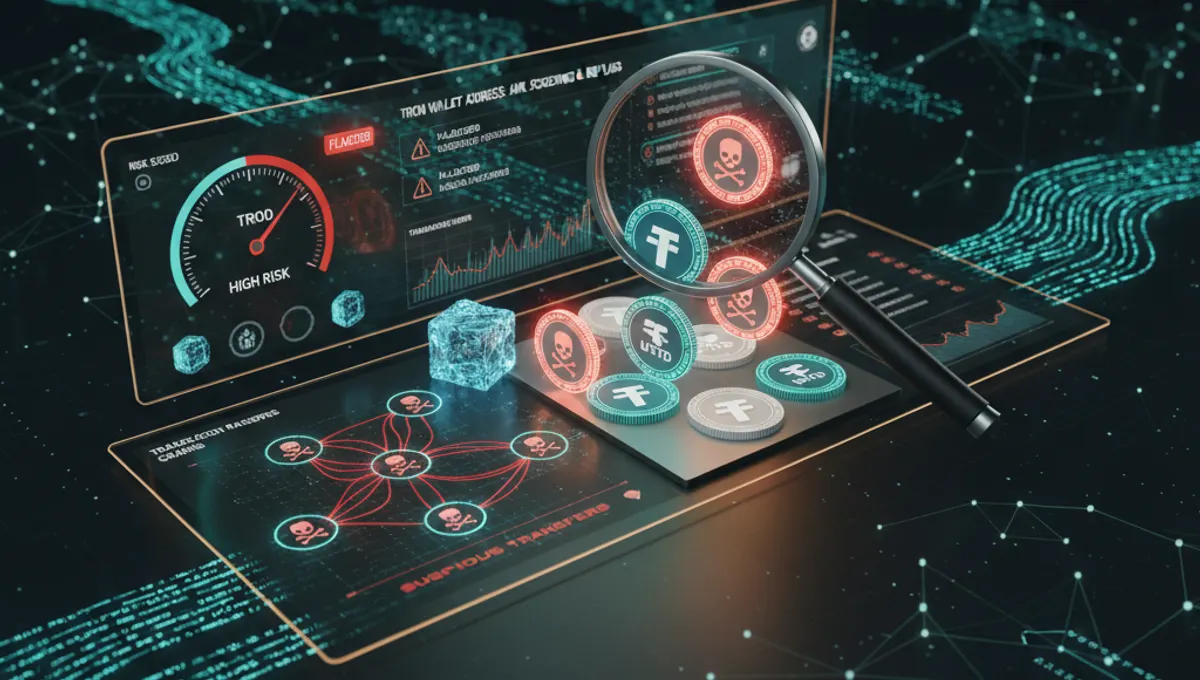
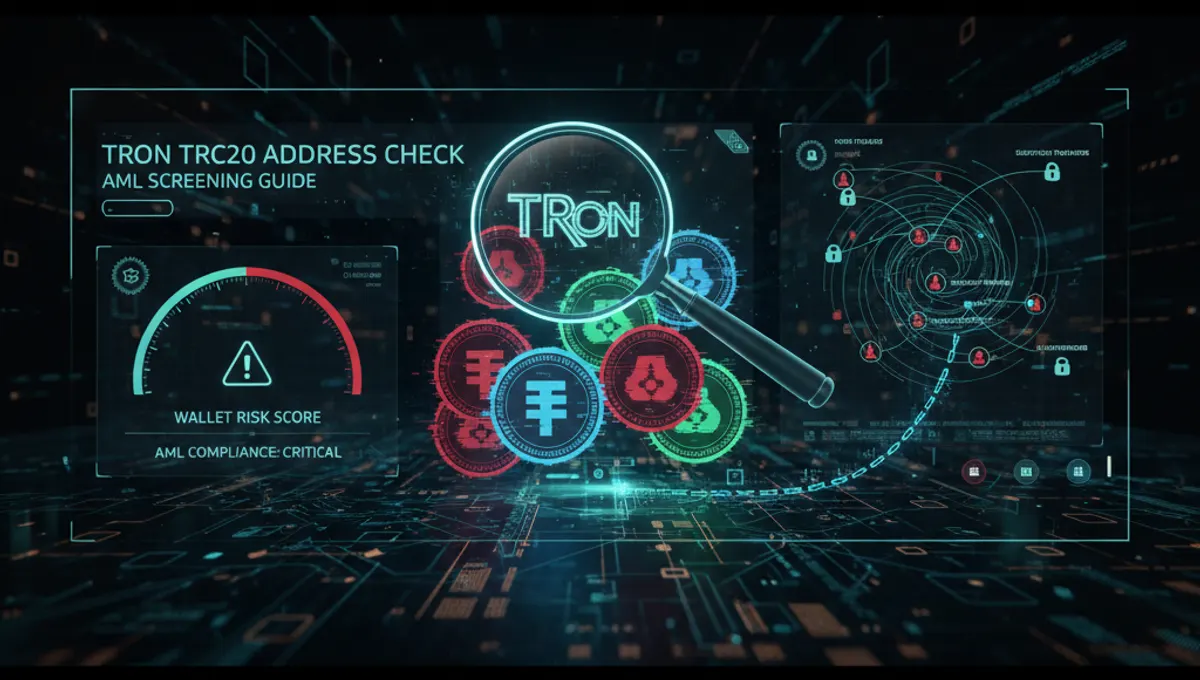
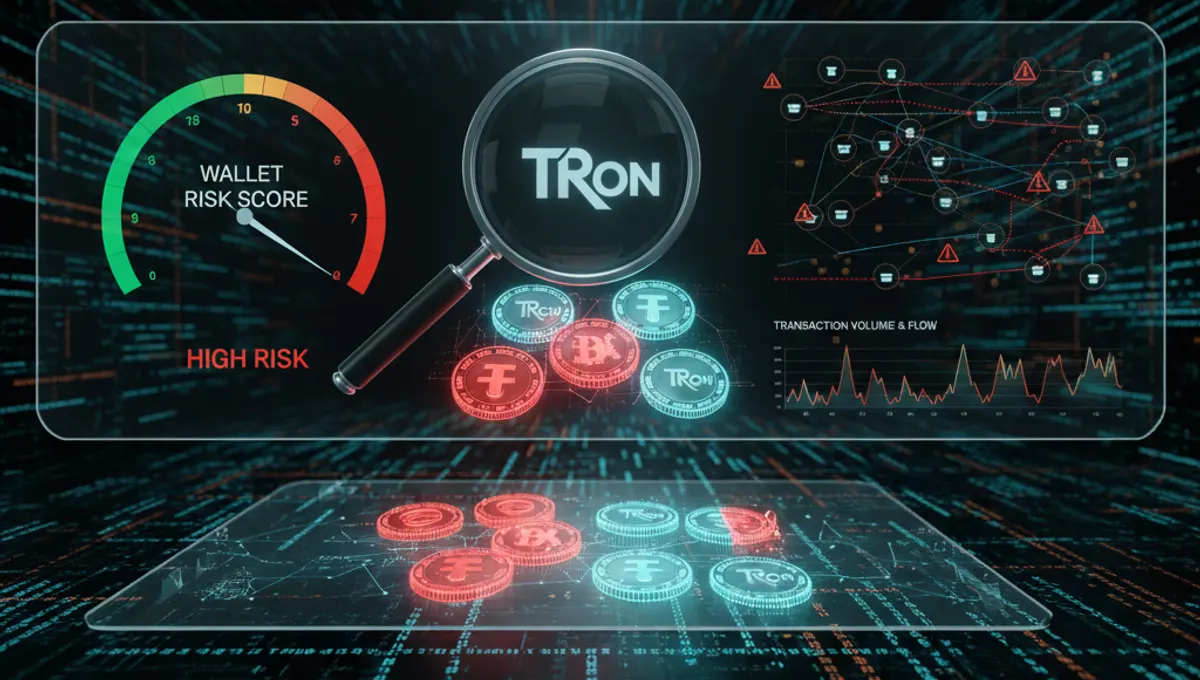
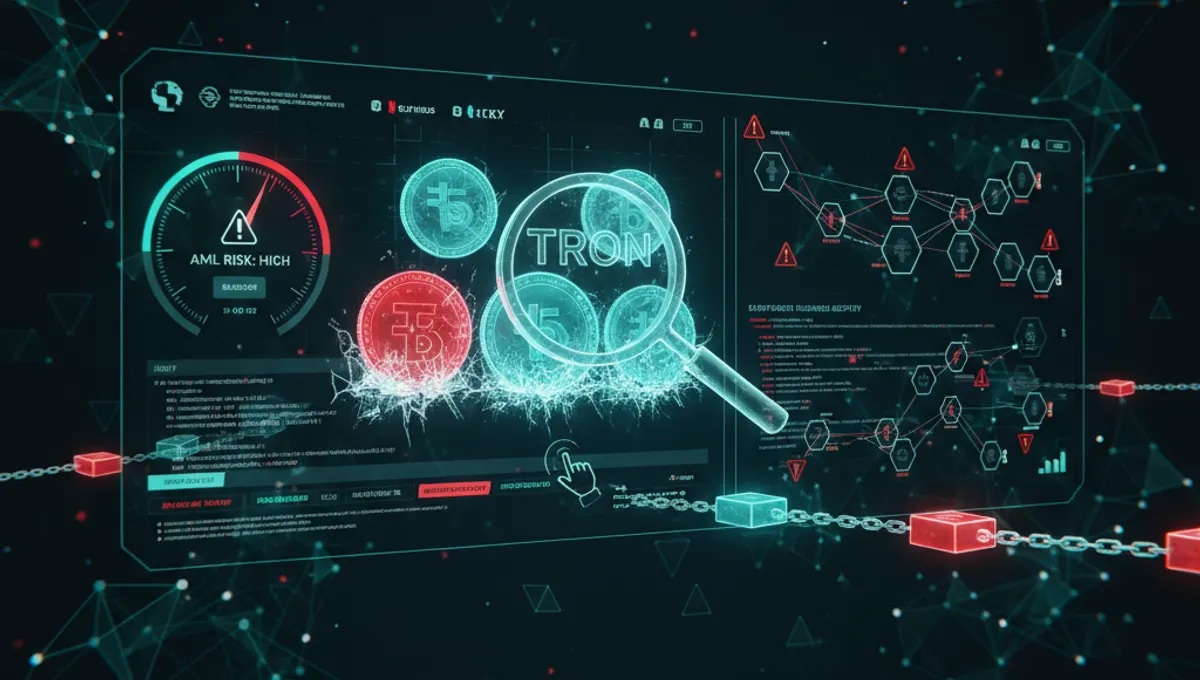
A Tron wallet address check is a screening process that examines a TRC20 address (the standard token format on the Tron blockchain) for exposure to illicit activity. The check compares the address against known risk indicators: transactions with mixers, darknet markets, scams, stolen funds, sanctioned entities, and gambling platforms. Each address receives a risk score—typically ranging from low to critical—based on transaction history and counterparty behavior. This differs from a simple balance lookup; it's a compliance tool that flags whether an address or its associated funds carry regulatory or security risk. Exchanges, custodians, and institutional traders use these checks to prevent receiving tainted coins and to maintain compliance with financial regulations.
How to Check a Tron Address Before Receiving USDT or TRX
To check a Tron wallet address, follow these steps:
- Obtain the full Tron address (starts with 'T' and is 34 characters long).
- Visit a trusted AML screening service listed on our verified AML Services page.
- Paste the address into the search field.
- Review the risk score and transaction flags that appear.
- Check the detailed report for specific risk categories: mixer exposure, darknet links, scam associations, or sanctions matches.
- If the score is low or acceptable for your risk tolerance, proceed with the transaction.
- If the score is high or critical, contact the sender to clarify the address or decline the deposit.
Most screening services return results in seconds. Some offer free checks with limited detail; others charge per lookup. For recurring checks or institutional use, subscription plans are available through verified providers on our curated list.
Understanding Tron Address Risk Scores and Flags
Risk scores quantify the likelihood that an address or its funds are associated with illicit activity. Common scoring ranges are:
- Low (0–20%): Minimal exposure; generally safe to accept.
- Medium (21–50%): Some transaction history with minor risk indicators; review context before accepting.
- High (51–80%): Significant exposure to risky counterparties or activity types; consider declining.
- Critical (81–100%): Strong evidence of illicit activity, sanctions matches, or stolen funds; do not accept.
Transaction flags identify specific risk categories. A Tron address might be flagged for mixer exposure (funds passed through privacy-mixing services), darknet market links, scam associations, or gambling platform connections. Sanctions flags indicate the address matches a government or international sanctions list. Each flag includes transaction dates and counterparty details, allowing you to assess whether the risk is acceptable for your use case.
Common Risk Categories When Checking Tron Addresses
When you check a Tron address, screening tools look for exposure to these risk categories:
- Mixers: Transactions with privacy-mixing services that obscure fund origins.
- Darknet Markets: Connections to known darknet marketplace addresses.
- Scams: Links to addresses flagged in fraud or phishing reports.
- Stolen Funds: Addresses receiving proceeds from hacks, theft, or unauthorized access.
- Sanctioned Entities: Matches against OFAC and international sanctions lists.
- Gambling: Transactions with gambling platforms or betting services.
- Ransomware: Addresses associated with ransomware payment demands.
A single flag does not automatically make an address unusable; context matters. For example, a user who accidentally sent funds to a mixer may still be legitimate. However, multiple flags or a critical score warrant further investigation or rejection.
What Happens If Your Tron Address Is Flagged as Dirty?
If your Tron wallet address receives a high or critical risk score, several consequences may follow:
- Exchange Deposits Rejected: Centralized exchanges may refuse to accept deposits from flagged addresses.
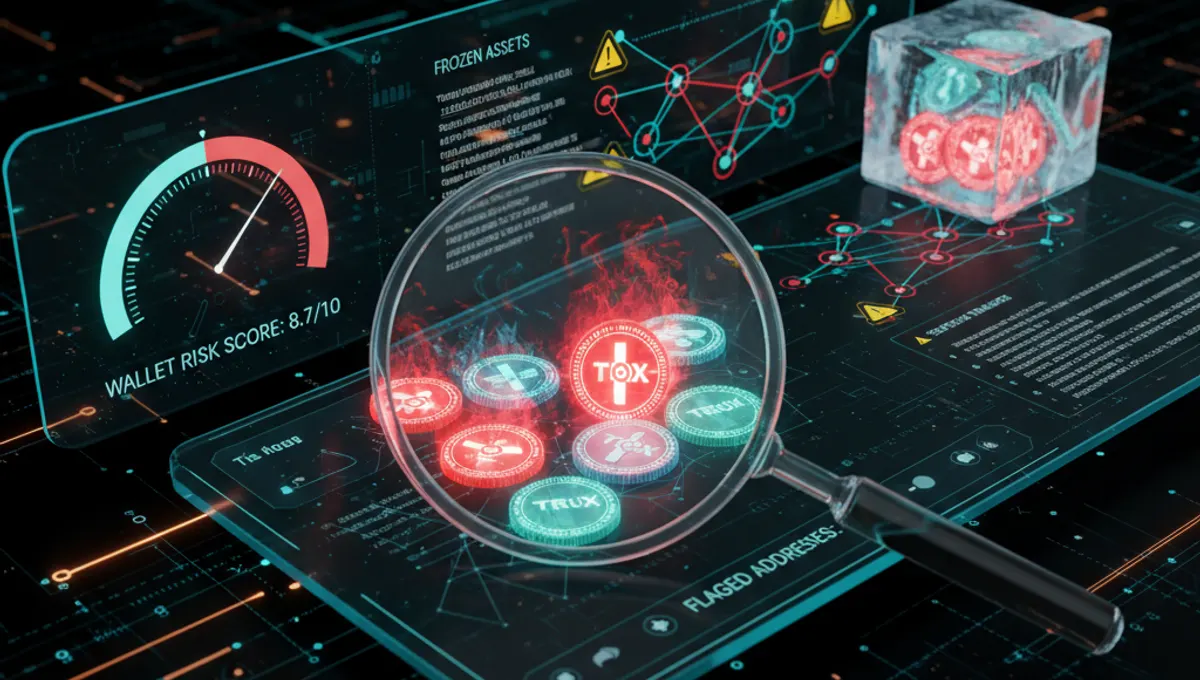
- Account Freeze: If you deposit flagged funds into an exchange account, that account may be frozen pending investigation.
- Delayed Withdrawals: Exchanges may hold your funds while they conduct AML review.
- Compliance Holds: Custodians and institutional services may restrict access to flagged addresses.
- Regulatory Inquiry: In some jurisdictions, receiving flagged funds may trigger reporting obligations or inquiries.
If your address is flagged, contact the exchange or service where you received the funds and provide transaction documentation. If you sent funds to a risky address unknowingly, document the mistake and report it to the receiving party. Legitimate users can often resolve flags through compliance review, but the process may take weeks.
How Exchanges Freeze USDT and Block Deposits from Flagged Addresses
Exchanges implement automated and manual controls to prevent tainted coins from entering their systems. When you attempt to deposit USDT or TRX from a flagged Tron address, the exchange's AML system may:
- Reject the deposit at the wallet level before it completes.
- Accept the deposit but flag the associated account for review.
- Freeze the account and require the user to provide proof of funds origin.
- Permanently block the address if it matches a sanctions list or high-risk category.
Frozen USDT cannot be withdrawn or traded until the exchange completes its investigation. This process can take days to months. To avoid frozen deposits, check the Tron address before sending funds. Use screening tools from our verified AML Services page to confirm the address is clean. If you receive USDT from an unknown source, check the sending address first; if it's flagged, request a refund or ask the sender to use a clean address.
Comparing AML Screening Services for Tron Address Checks
Several AML screening services offer Tron address checks, each with different coverage, pricing, and detail levels:
- Free Services: Limited checks per month, basic risk scoring, no detailed transaction history.
- Subscription Services: Unlimited checks, detailed reports, transaction graphs, API access for developers.
- Institutional Services: Custom risk thresholds, compliance reporting, dedicated support, higher cost.
When choosing a service, verify it covers Tron and TRC20 addresses, provides transaction-level detail, and updates its risk databases regularly. Our curated list of verified AML services on the AML Services page includes providers that meet these standards. Start with a trusted provider from that list to ensure your checks are accurate and compliant.
Frequently asked questions
How do I check if a Tron address is clean or dirty?
Use an AML screening service to paste the Tron address and receive a risk score. A low score (0–20%) indicates the address is clean; a high or critical score (51–100%) suggests exposure to illicit activity. Review the specific transaction flags to understand the risk category. Services on our verified AML Services page provide detailed reports.
What does a high risk score mean for a Tron address?
A high risk score (51–80%) indicates the address has transaction history with risky counterparties such as mixers, darknet markets, or scams. A critical score (81–100%) suggests strong evidence of illicit activity or sanctions matches. Do not accept deposits from critical-scored addresses; review high-scored addresses carefully before proceeding.
Can I check a Tron address for free?
Yes, some AML screening services offer free checks with limits (e.g., 5–10 per month). Free checks typically provide a basic risk score but limited transaction detail. Paid subscriptions unlock unlimited checks and detailed reports. Compare options on our AML Services page to find a service that fits your needs.
What happens if I receive USDT from a flagged Tron address?
If you deposit USDT from a flagged address into an exchange, your account may be frozen pending AML review. The exchange will request proof of the funds' origin. Provide documentation if available; the review may take days to weeks. To avoid this, check the sending address before accepting the deposit.
How often should I check a Tron address?
Check a Tron address once before accepting a deposit or sending funds to it. If you receive recurring transfers from the same address, one initial check is sufficient unless the address shows new transaction activity. For institutional or high-volume operations, use subscription services for continuous monitoring.